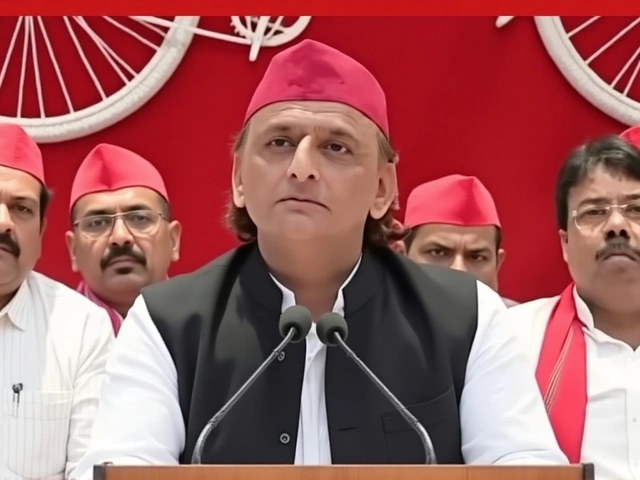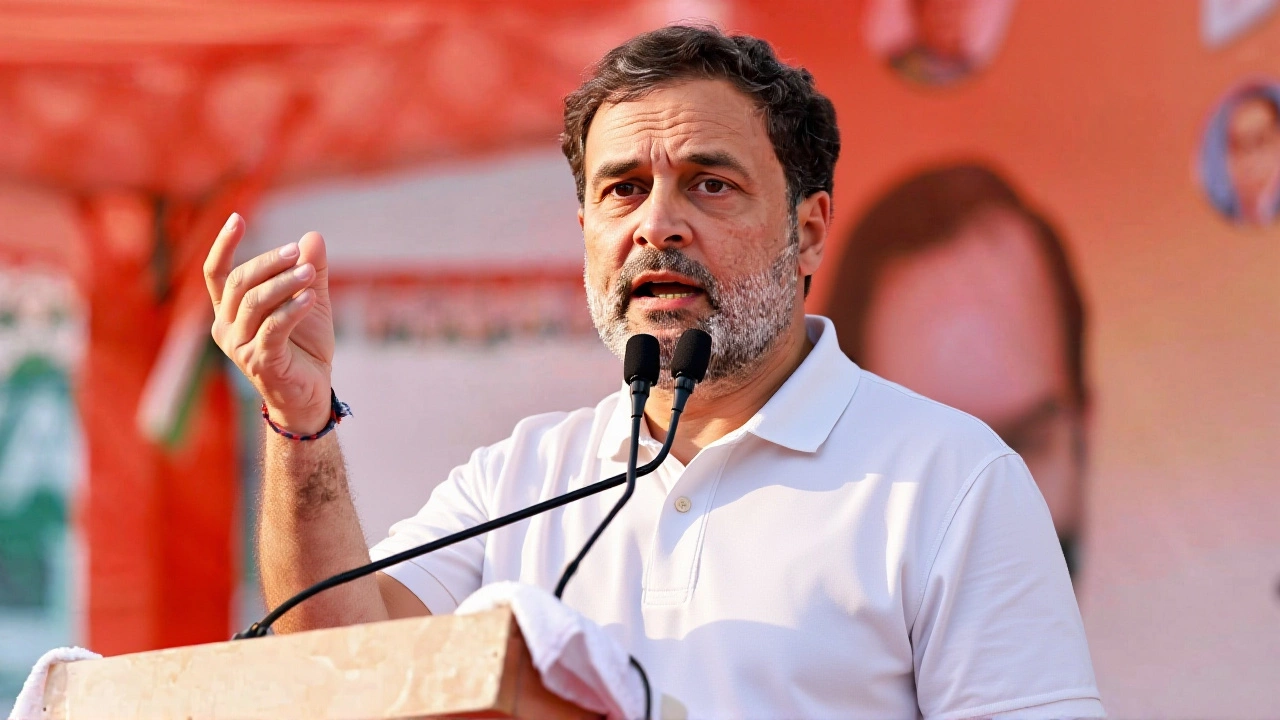
The Indian National Congress is shaking up its candidate selection process for the upcoming Uttarakhand Assembly ElectionsUttarakhand, introducing a strict three-tier testing system that leaves no room for old-school lobbying or personal recommendations. This strategic pivot aims to block the Bharatiya Janata Party (BJP) from securing a third consecutive term in power—a political "hat-trick" the opposition is determined to prevent.
Here’s the thing: for years, ticket distribution in Indian politics has often been a game of who you know rather than who can win. But with the 2027 polls on the horizon, party sources indicate that aspiring leaders must now pass three distinct assessments before earning the right to contest. It’s a clear signal that the Congress is trying to professionalize its campaign strategy, mirroring data-driven approaches used by its rivals.
A New Era of Data-Driven Selection
Gone are the days when a simple application or a senior leader’s nod guaranteed a spot on the ballot. According to reports from local outlets like LiveHindustan and Navin Samachar, the new framework requires potential candidates to undergo rigorous evaluation. While the exact technical metrics remain under wraps, the structure appears to focus on three key areas: organizational acceptance, ground-level popularity through surveys, and an final review by top leadership regarding winnability.
This isn’t just about fairness; it’s about survival. The BJP has dominated Uttarakhand politics since 2017, winning back-to-back elections. By adopting a survey-based model similar to their opponents’, the Congress hopes to identify strong contenders who can actually challenge the ruling party’s stronghold. Think of it as a talent scout system for politics—only those who prove their mettle in preliminary rounds make the final cut.
Rahul Gandhi’s Strategic Visit Looms
Adding momentum to these internal reforms is the anticipated visit of Rahul Gandhi, Leader of Opposition in Lok Sabha. Sources suggest he could arrive in the state during the first week of June. His itinerary reportedly includes major events in two critical districts: Dehradun (specifically Pauri) and Almora.
In Pauri, Gandhi is expected to hold a public meeting followed by a dialogue session with workers and citizens. The second leg in Almora remains slightly less defined but will likely involve another high-profile rally or stakeholder meet. These visits aren’t just photo opportunities; they’re designed to energize the grassroots workforce and demonstrate national-level commitment to reversing the state’s political trajectory.
Blocking the BJP Hat-Trick
The stakes couldn’t be higher. If the BJP wins again in 2027, it will mark their third straight victory in Uttarakhand, cementing their dominance in the Himalayan state. The Congress views this not just as an election loss, but as a long-term strategic defeat. Their new policy is explicitly framed as a countermeasure to stop this "hat-trick."
Political analysts note that while copying the BJP’s methodology might seem like playing catch-up, it reflects a necessary adaptation. The traditional reliance on legacy politicians has yielded diminishing returns. By forcing candidates to prove their local connect through objective tests, the party aims to field a slate that resonates with voters tired of status quo governance.

What Comes Next?
The details of how these three tests will be administered are still being finalized. Will independent agencies conduct the surveys? How much weight will worker feedback carry versus voter sentiment? These questions remain unanswered for now. However, the message is clear: the era of casual ticket promises is over.
As June approaches, all eyes will be on whether Rahul Gandhi’s visit can galvanize enough support to make this new system work. For the people of Uttarakhand, it means potentially seeing fresher faces on the ballot next year. For the Congress, it’s a high-stakes gamble that either modernizes their approach or exposes deep-seated structural issues.
Frequently Asked Questions
What are the three tests for Congress tickets in Uttarakhand?
While specific criteria haven't been fully disclosed, the three tiers generally involve organizational assessment (acceptance by local party workers), popularity surveys (measuring public support in the constituency), and a final winnability review by senior leadership. This replaces the older system based largely on recommendations.
When is Rahul Gandhi visiting Uttarakhand?
Rahul Gandhi is expected to visit during the first week of June. His schedule includes planned events in Pauri Garhwal and Almora, featuring public meetings and dialogues aimed at boosting morale among party workers ahead of the 2027 assembly elections.
Why is the Congress changing its ticket distribution policy?
The primary goal is to prevent the BJP from winning a third consecutive term (a "hat-trick") in Uttarakhand. By adopting a more scientific, survey-based selection process, the Congress hopes to field stronger candidates who have proven local appeal, moving away from reliance on legacy politics and lobbying.
How does this compare to the BJP's strategy?
The BJP has long utilized data analytics and surveys to select candidates, ensuring they pick individuals with the highest probability of winning. The Congress is now adopting a similar approach, acknowledging that traditional methods are insufficient against a well-organized opponent. Reports describe this as following the "BJP path" for candidate selection.
Which areas will Rahul Gandhi focus on during his tour?
The focus will be on two key districts: Pauri Garhwal and Almora. In Pauri, he will hold a public meeting and a dialogue session. The nature of the event in Almora is less specified but is expected to be another significant engagement to mobilize support in these influential regions.