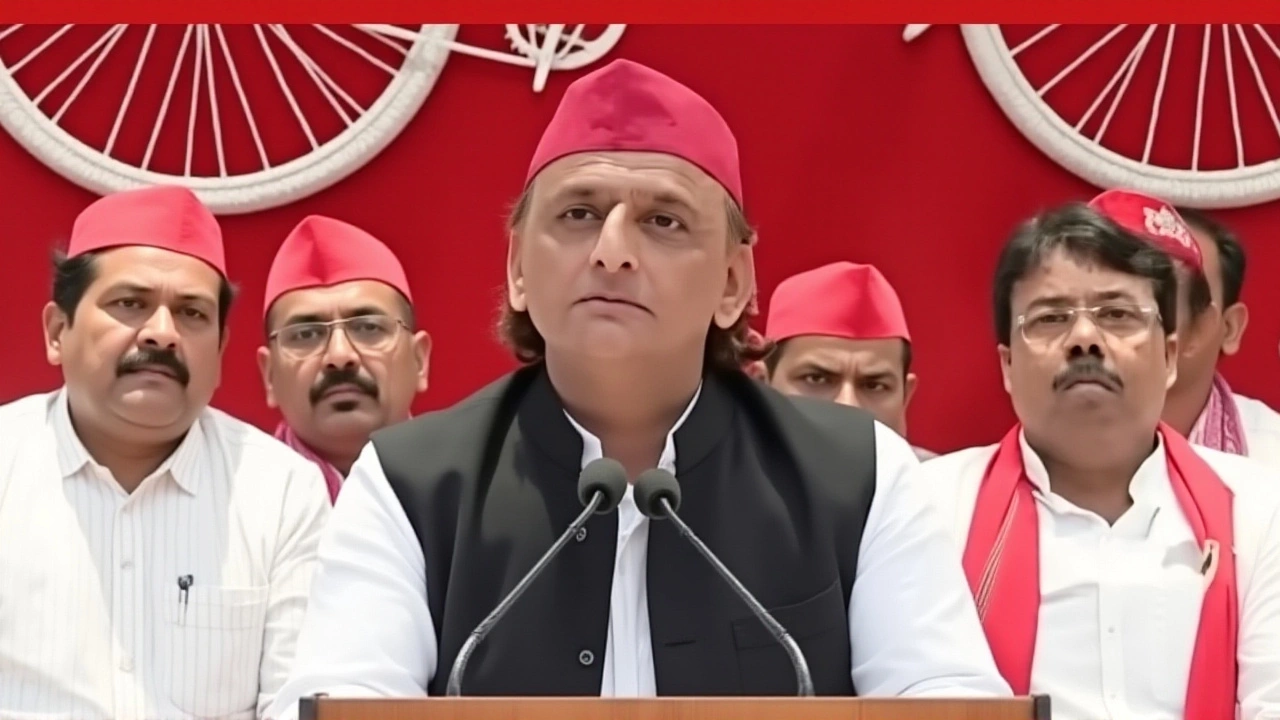
It’s a rare sight in Indian politics: members of the ruling party publicly pleading with their own minister to fix a mess. In Uttar Pradesh, that’s exactly what’s happening. Facing severe power cuts and low voltage issues, several Bharatiya Janata Party (BJP) legislators have written formal letters to the state’s energy department, demanding immediate solutions.
The situation has become so dire that even those who voted for the current administration are losing patience. This isn’t just grumbling in backrooms; it’s official correspondence. The letters reveal a growing internal pressure on the government to address a crisis that is affecting millions of residents across the state.
Internal Pressure Mounts
Here’s the thing: usually, opposition parties lead the charge against power failures. But now, the heat is coming from within. Reports indicate that multiple MLAs have sent separate letters to A K Sharma, Energy Minister of Uttar Pradesh. The sheer number of these complaints suggests this isn’t an isolated incident but a systemic failure.
One prominent example comes from Rajeshwar Singh, an MLA from Lucknow. He didn’t just complain; he offered a solution. In his letter, Singh suggested adopting international models for power distribution, specifically citing systems used in Singapore and either Japan or the United States. It’s a bold move—essentially telling your own boss that the current strategy isn’t working and pointing to foreign success stories as the alternative.
He wasn’t alone. Another Lucknow-based MLA, Neeraj Bora, had already penned a similar note to the minister before Singh did. This pattern of internal dissent is unusual. It signals that the constituency-level feedback loop is broken, forcing elected representatives to bypass local officials and go straight to the top.
Ground Reality in Gonda
While the capital sees political maneuvering, the ground reality in districts like Gonda is starkly different. On May 22, reports emerged from Gonda highlighting the severity of the issue. Prateek Bhushan Singh, the MLA for Gonda Sadar, wrote to Minister Sharma expressing "grave concern" over the situation.
Singh’s complaint was specific and technical, which adds weight to the argument that this is more than just seasonal load-shedding. He cited "unannounced power cuts" and persistent "low voltage" problems. For residents, low voltage means fans spin slowly, refrigerators fail to cool, and sensitive electronics risk damage. It’s not just an inconvenience; it’s a hazard.
The details are still unclear regarding how widespread these low-voltage issues are statewide, but the fact that an MLA felt compelled to document them formally indicates they are frequent enough to disrupt daily life and business operations in his constituency.
Why This Matters Now
Turns out, timing is everything. With temperatures rising across North India, the demand for electricity spikes. When supply can’t meet demand, the grid becomes unstable. The letters from these MLAs serve as a warning shot. If the ruling party’s own lawmakers are struggling to explain the blackouts to their voters, imagine the frustration among the general public.
This also raises questions about infrastructure planning. Why is the state relying on ad-hoc fixes rather than long-term structural improvements? The suggestion by Rajeshwar Singh to look at Singapore or US models implies that the current regulatory or distribution framework is outdated. Implementing such changes takes time, but acknowledging the need for them is the first step.
What’s Next?
The ball is now in Minister A K Sharma’s court. Will he respond with more promises, or will we see tangible action? The next few weeks will be critical. As summer intensifies, the margin for error shrinks. If the power supply doesn’t stabilize, the political fallout could extend beyond internal party friction to affect voter sentiment ahead of future elections.
Watch for any official statements from the Energy Department in the coming days. Are there new power plants coming online? Is there a plan to upgrade the transmission lines in affected areas like Gonda? Until then, the lights may stay dim, and the political tension will likely grow brighter.
Frequently Asked Questions
Who are the BJP MLAs writing to the Energy Minister?
Several BJP MLAs have written to the minister, including Rajeshwar Singh and Neeraj Bora from Lucknow, and Prateek Bhushan Singh from Gonda Sadar. They are raising concerns about persistent power shortages and infrastructure failures in their respective constituencies.
What specific issues are being reported in Gonda?
MLA Prateek Bhushan Singh highlighted unannounced power cuts and chronic low-voltage issues. These problems disrupt daily activities and pose risks to household appliances, indicating a deeper infrastructure problem beyond simple load-shedding schedules.
What solution did Rajeshwar Singh propose?
Rajeshwar Singh suggested adopting international best practices for power management, specifically referencing models used in Singapore and potentially Japan or the United States. He argued that these systems offer more reliable and efficient distribution frameworks.
Why is it significant that ruling party MLAs are complaining?
It indicates that the power crisis is severe enough to cause internal dissatisfaction. When legislators from the ruling party feel forced to write formal complaints to their own ministers, it signals a breakdown in service delivery and potential political vulnerability for the government.
Is there a timeline for when these issues will be resolved?
No specific timeline has been announced by the Energy Department yet. The letters were sent in mid-May, and while the minister has received them, public responses detailing immediate remedial steps remain limited. Residents should expect continued volatility during peak summer months.