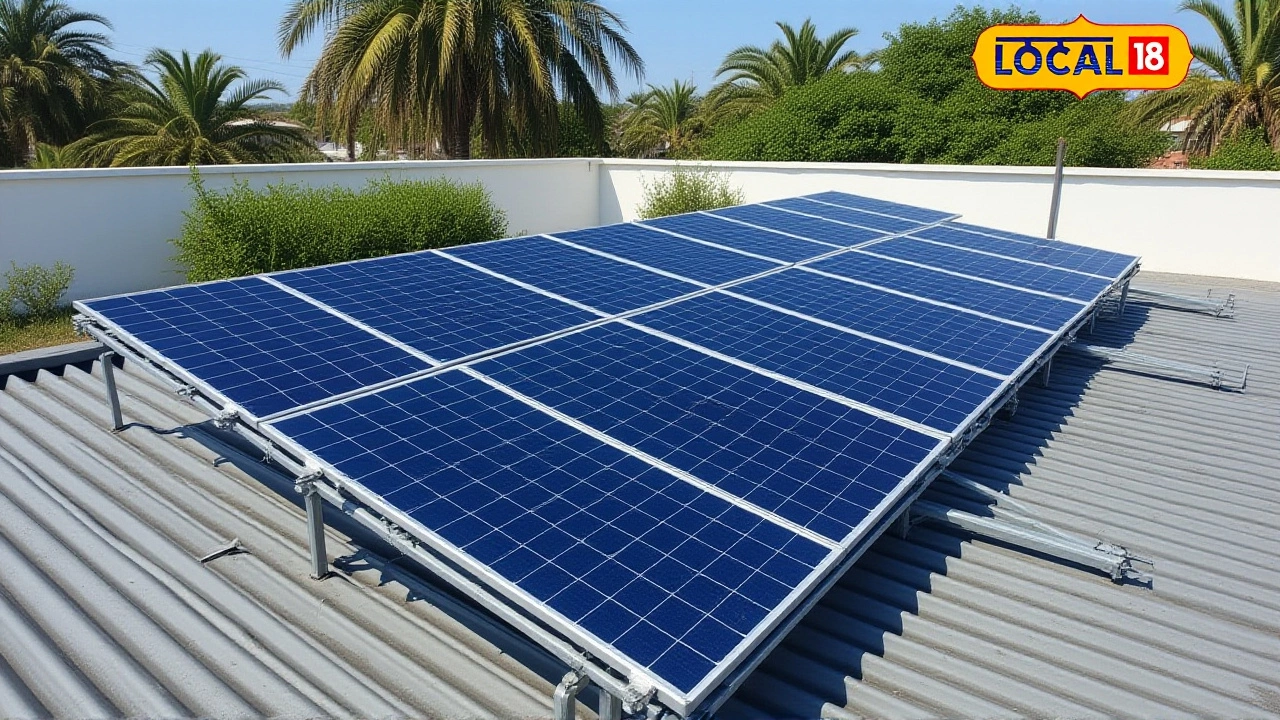
For decades, darkness was an unwelcome guest in many rural homes across Bhagalpur, Bihar, India. But that’s changing. A new initiative is set to illuminate the lives of impoverished families by harnessing sunlight, turning what was once a source of heat into a reliable source of electricity. The plan, described locally as “sunlight electricity,” aims to replace grid dependency with sustainable solar power for those who have long been left in the dark.
Here’s the thing: this isn’t just about light bulbs. It’s about dignity, safety, and opportunity. In remote villages where power lines rarely reach, or where connections are too expensive to maintain, families have relied on kerosene lamps or candles. Now, officials say, the sun will do the heavy lifting.
A Bright New Initiative
The scheme targets poor households in rural areas of Bhagalpur district, a region known for its agricultural backbone but also for its infrastructural gaps. According to departmental officers, there is "considerable enthusiasm" among locals regarding the project. While specific technical details—like panel wattage, battery capacity, or subsidy percentages—remain undisclosed, the core promise is clear: solar-generated electricity will light up homes that were previously shrouded in darkness.
Turns out, the lack of information isn’t unusual for early-stage announcements. What matters is the intent. By focusing on solar energy, the state is tapping into India’s abundant sunshine hours, which average over 300 days a year in Bihar. This makes solar not just an eco-friendly choice, but a practical one.
Why This Matters to Rural Families
Imagine studying for exams without flickering lights. Cooking dinner without worrying about gas leaks. Keeping children safe from fire hazards caused by open flames. These aren’t luxuries; they’re basic needs. For years, families in these villages have faced these challenges daily. The new initiative seeks to address them head-on.
Department officials noted that community engagement has been strong. Villagers are eager to participate, seeing this as a step toward modernization. However, concrete timelines and beneficiary counts haven’t been released yet. That leaves room for speculation—but also hope.
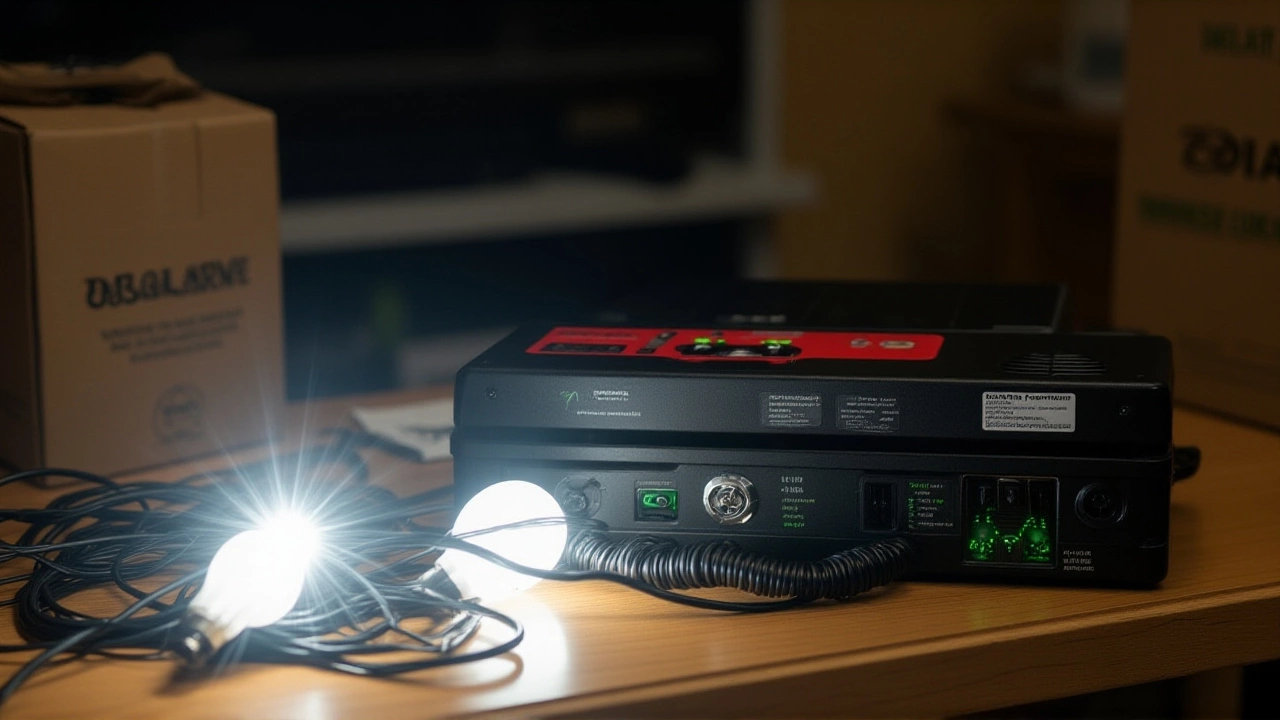
The Bigger Picture: Energy Access in India
This move aligns with broader national goals under programs like Pradhan Mantri Kisan Urja Suraksha evam Utthaan Mahabhiyan (PM-KUSUM), which promotes solar agriculture and rural electrification. Though no direct link to PM-KUSUM was mentioned in the report, the parallels are striking. Both aim to decentralize energy production and empower local communities.
Experts suggest that such initiatives can reduce household spending on fuels while improving health outcomes linked to indoor air pollution. A study by the World Health Organization found that clean cooking solutions could prevent millions of premature deaths annually. Solar lighting plays a similar role in reducing respiratory issues caused by kerosene fumes.
Challenges Ahead
But wait—it’s not all smooth sailing. Implementation hurdles include maintenance costs, training requirements, and ensuring equitable distribution. Without proper support systems, even well-intentioned projects risk failure. Past schemes have struggled with sustainability when after-sales service wasn’t guaranteed.
Additionally, financial models need clarity. Will systems be provided free? Subsidized? Or through microloans? Each approach affects adoption rates differently. Transparency here will determine success.
What’s Next?
Incoming reports may reveal more specifics: target numbers, funding sources, and execution strategies. Until then, residents remain cautiously optimistic. Local leaders emphasize the importance of monitoring progress closely to ensure promises translate into action.
Frequently Asked Questions
Who qualifies for the solar power program?
The initiative primarily targets poor families in rural parts of Bhagalpur district, Bihar. Eligibility criteria likely involve income thresholds or existing poverty classifications like BPL (Below Poverty Line), though exact parameters haven't been officially disclosed yet.
How does solar energy benefit these households?
Solar panels convert sunlight into electricity, providing consistent lighting without recurring fuel costs. This improves study conditions for students, enhances kitchen safety, reduces health risks from smoke inhalation, and allows extended working hours for small businesses.
Are there any hidden costs involved?
Currently, no detailed cost structure has been announced. Depending on implementation, users might face minimal expenses related to installation fees, periodic maintenance, or optional upgrades. Government subsidies typically offset initial investments significantly.
When will installations begin?
No official timeline exists at present. Departmental sources indicate ongoing preparations, suggesting rollout phases could start within months rather than years. Updates should come via local administration channels soon.
Is this part of a larger government scheme?
While not explicitly tied to federal programs like PM-KUSUM, the project mirrors national efforts to expand renewable energy access. State governments often adapt central policies to fit regional needs, making alignment plausible even if unconfirmed.